
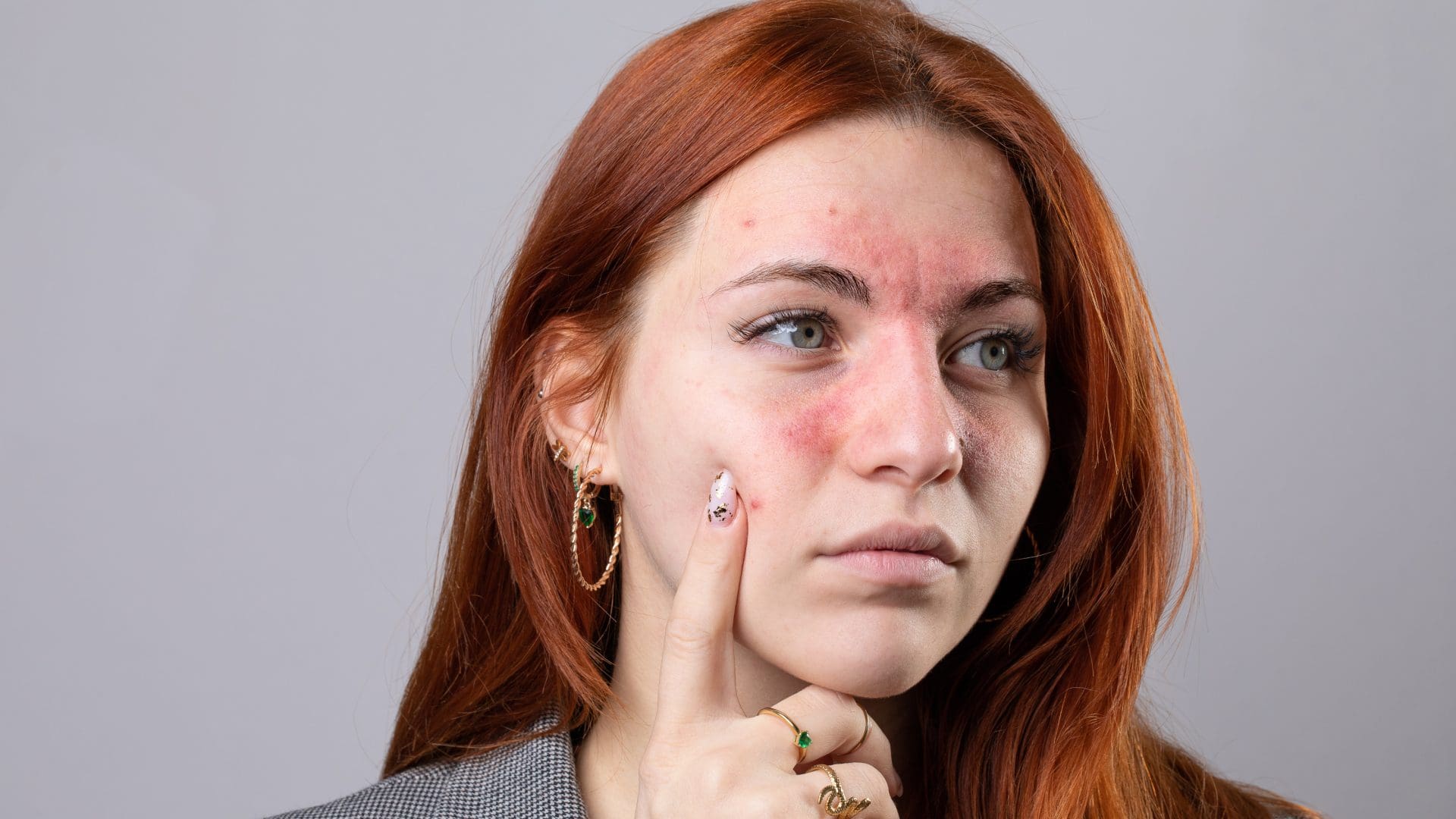
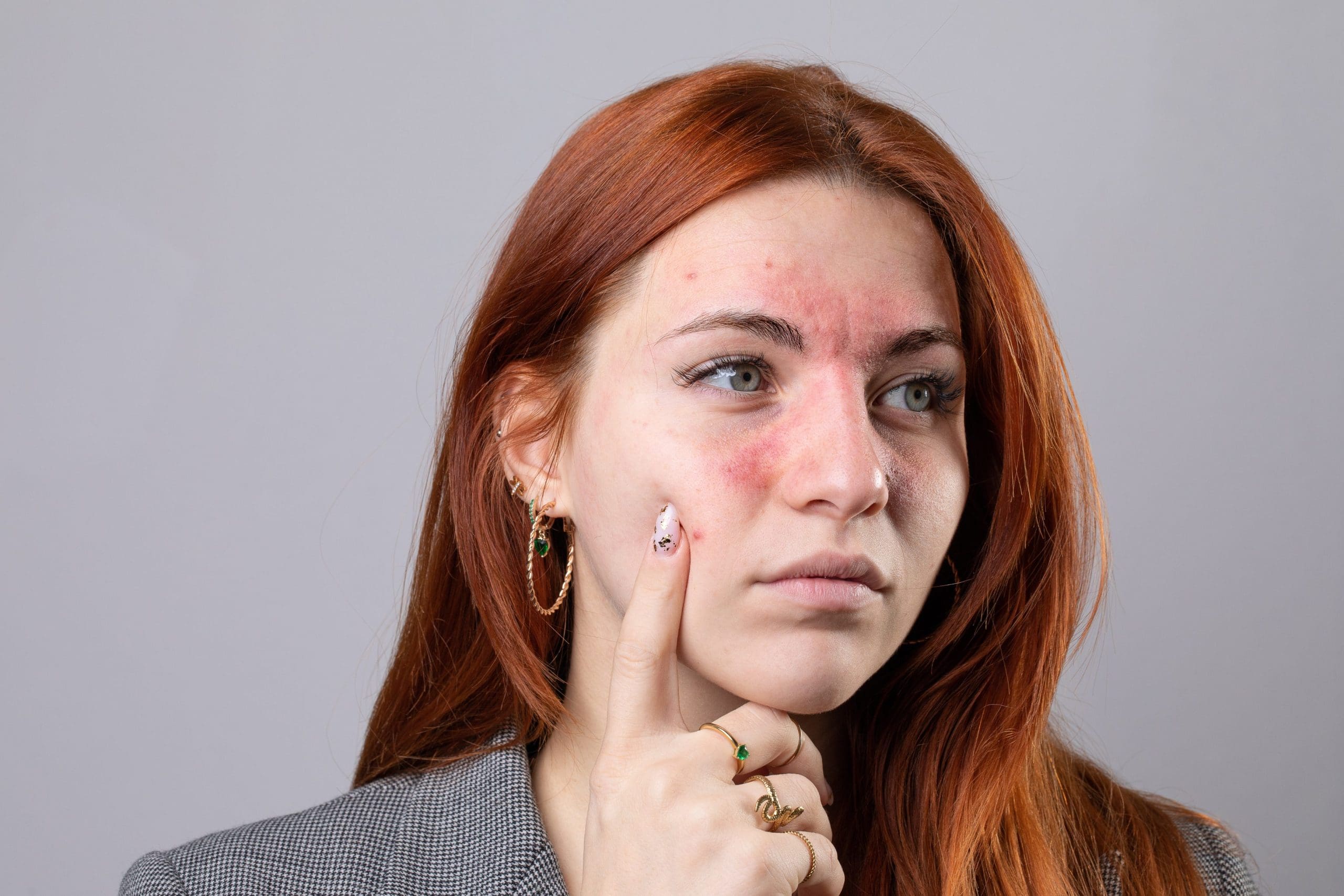
April marks Rosacea Awareness Month, a time dedicated to educating the public about this chronic and often misunderstood skin condition. For the millions of people living with rosacea, the experience goes far beyond a simple tendency to blush. The persistent redness, visible blood vessels, and sensitive skin can significantly impact self-esteem and daily life.
While there is currently no cure for rosacea, understanding the condition is the first step toward effective management. By identifying triggers and exploring professional treatments, it is entirely possible to reduce flare-ups and achieve a clearer, more confident complexion.
Understanding the Roots of Rosacea
Rosacea is a chronic inflammatory skin condition that primarily affects the face. It often begins as a tendency to flush or blush more easily than others, but over time, the redness can become persistent. In more severe cases, patients may develop acne-like bumps or thickening of the skin, particularly around the nose.
The exact cause of rosacea remains a topic of medical research, though it appears to stem from a combination of hereditary and environmental factors. Issues with the immune system, the regulation of facial blood vessels, and even microscopic mites that live on everyone’s skin (Demodex) may play a role. Recognizing that this is a medical condition, not a result of poor hygiene, is crucial for moving forward with effective care.
Identifying Common Triggers
One of the most effective ways to manage rosacea is to understand what sets it off. Triggers vary significantly from person to person, but dermatologists have identified several common factors that tend to exacerbate symptoms.
Environmental and Lifestyle Factors
- Sun Exposure: UV radiation is often cited as the number one trigger for rosacea flare-ups.
- Temperature Extremes: Hot weather, humidity, and cold wind can all provoke a reaction.
- Emotional Stress: Anxiety and stress can lead to flushing, which may trigger a longer-lasting flare.
- Dietary Choices: Spicy foods, hot beverages, and alcohol, particularly red wine, are known to dilate blood vessels and worsen redness.
- Intense Exercise: Heavy exertion that raises body temperature can lead to immediate flushing.
Keeping a symptom journal can be an invaluable tool. By tracking your daily activities and diet alongside the condition of your skin, you can pinpoint your specific triggers and adjust your lifestyle accordingly.
Effective Daily Management Strategies
Managing rosacea requires a gentle and consistent approach to skincare. Because rosacea-prone skin is often sensitive and easily irritated, it is important to choose products that repair and support the skin barrier rather than strip it.
Opt for mild, fragrance-free cleansers and moisturizers. Avoid abrasive scrubs or products containing alcohol, menthol, or witch hazel, as these can increase irritation. Furthermore, sun protection is non-negotiable. Using a broad-spectrum sunscreen with an SPF of 30 or higher every day helps prevent the UV damage that leads to flare-ups.
The Role of Laser Therapy in Reducing Redness
While lifestyle changes and topical skincare are essential, they may not always be enough to address persistent redness or visible blood vessels. This is where professional dermatological treatments, specifically laser therapy, can offer significant relief.
Laser treatments work by emitting a specific wavelength of light that targets the hemoglobin in the blood vessels. The heat from the laser collapses the visible vessels, which are then naturally reabsorbed by the body. This process effectively reduces the overall redness and helps restore a more even skin tone.
Benefits of Laser Treatment
- Targeted Results: Lasers specifically target the blood vessels without damaging the surrounding tissue.
- Minimally Invasive: The procedure is non-surgical and typically involves minimal downtime.
- Long-Term Improvement: A series of treatments can provide lasting reduction in redness and flushing, though maintenance sessions may be required.
Take the Next Step for Your Skin
Living with rosacea can be challenging, but you do not have to navigate it alone. With the right combination of trigger management, gentle skincare, and professional treatments like laser therapy, you can keep your symptoms under control and feel comfortable in your skin again.
If you are struggling with persistent redness or suspect you may have rosacea, we encourage you to schedule a consultation. A qualified professional can assess your skin and create a tailored treatment plan to meet your unique needs.